Why I Built NODE
What the Army Taught Me About Sustainment
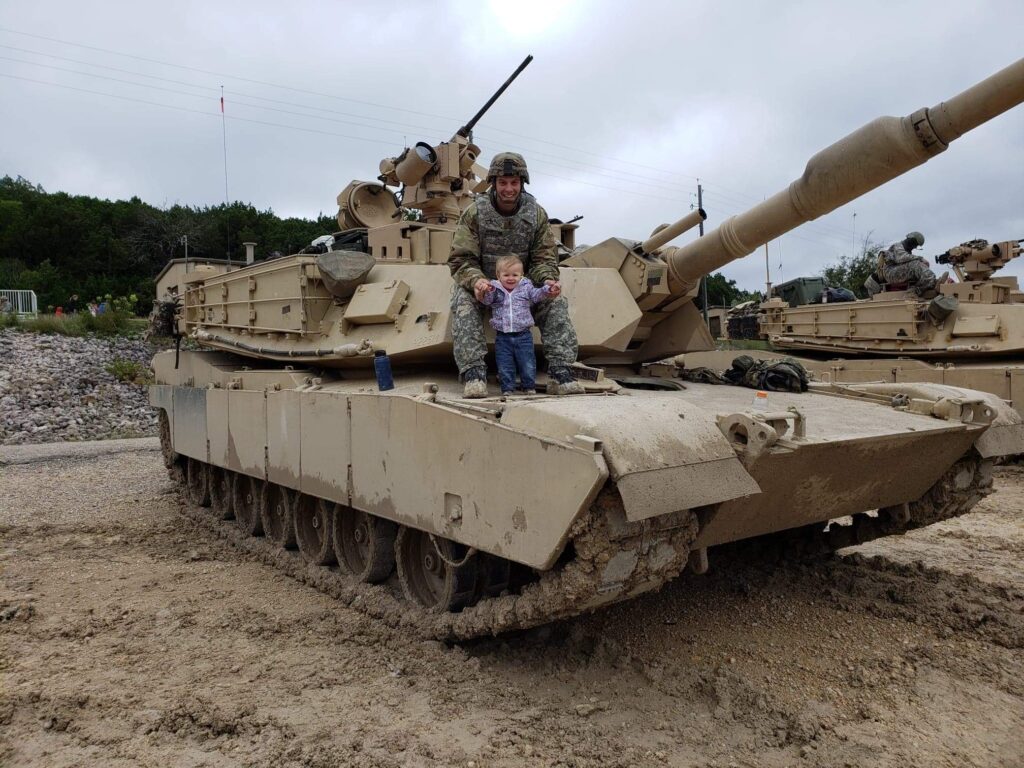
I spent my early career in the Army as an Armor officer, leading an M1A2 Abrams tank platoon before moving into Military Intelligence. Armor is where I learned that no matter how good your team is, without proper logistics and sustainment you aren’t going very far. Fuel, maintenance, supplies, timing, coordination…if any of that falls apart then your odds of success drop fast.
Intelligence work added another layer of context for me. You learn to gather information, look for patterns, and make calls based on the best data you actually have, not the data you wish you had. Experience and gut instinct still count, especially when things are moving fast, but good data gives you something to check that instinct against. It’s what helps you tell a real problem apart from a rough patch.
Crewing for My Wife’s First Ultras
Running and the running community had always been something in the background for me: high school cross country, years of Army fitness, and the occasional 5k, but I was never great at it. Then in 2020 my wife Mary started getting serious about distance running. She ran her first marathon in July 2022, her first 50K that November, then signed up for a backyard ultra in March 2023 planning to go 50 miles. She finished her first 100K at that race instead.
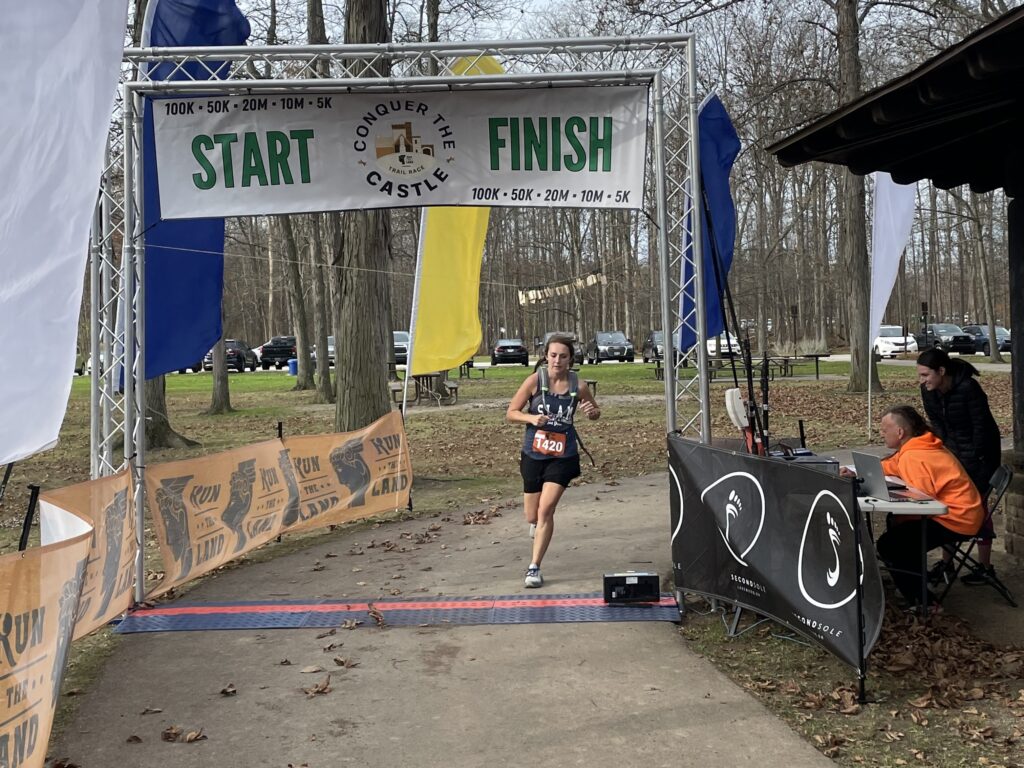
As she moved into longer races and set her sights on tougher goals, I naturally became her primary crew and support system. At first that meant making food, filling water bottles, handing her whatever she asked for, and trying not to forget anything important on race day. But I started noticing how much a well-run crew station actually mattered to how her race went, so I started taking it more seriously. Planning ahead, tracking things, staying on top of details instead of just winging it.
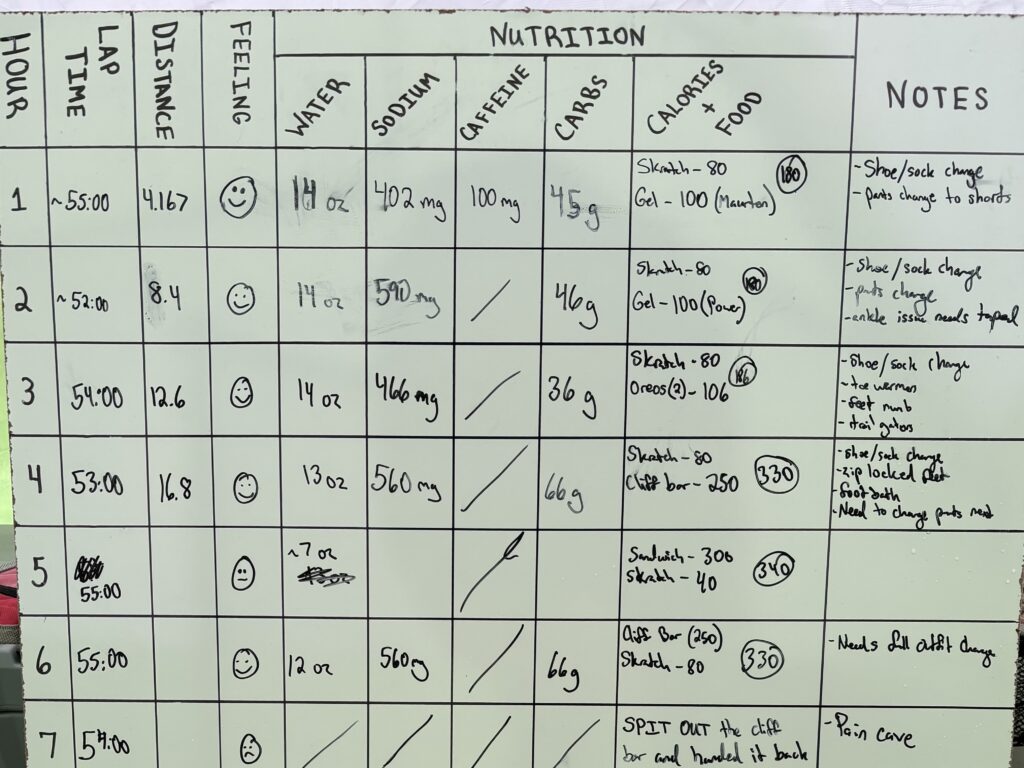
From a Spreadsheet to NODE
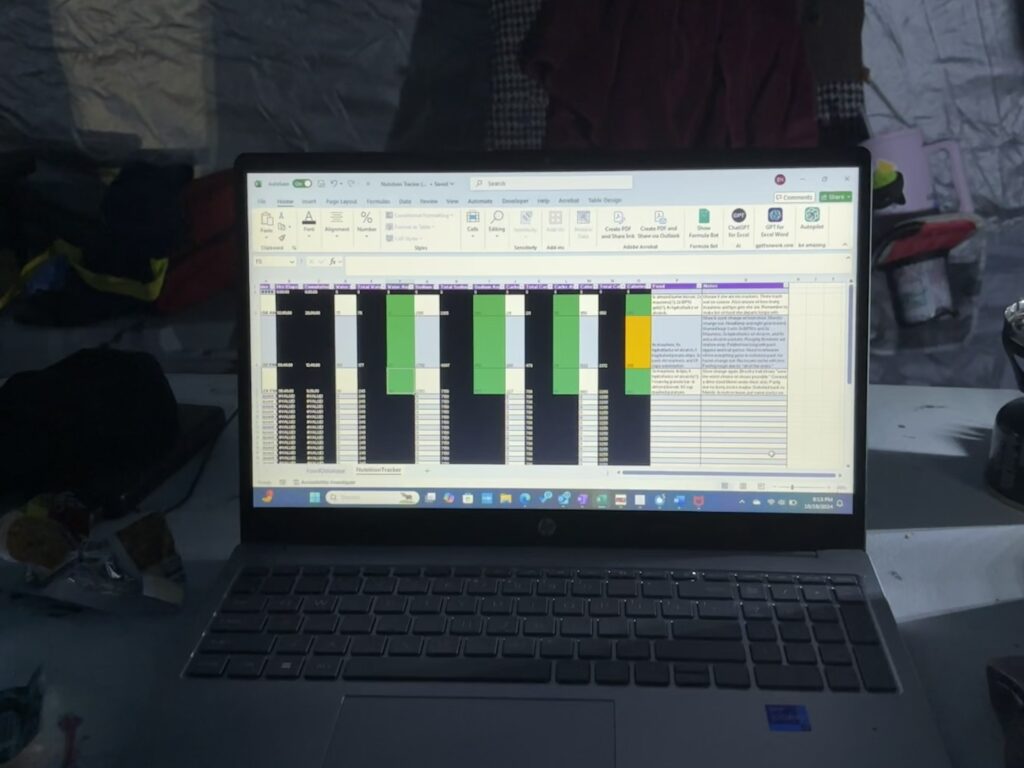
That meant paying closer attention to nutrition, hydration, pacing, and the small warning signs that show up before a runner starts to fall apart. I built a spreadsheet to track her nutrition numbers and keep her in tolerance during a race. It kept growing, more detailed, more useful, and honestly kind of a pain to actually use. NODE came out of that spreadsheet mess. It started as a passion project, something to help runners, crews, and coaches make better calls when everyone’s tired and time is short.
NODE emerged from the messiness of handwritten notes on a whiteboard, the adjustments made at 1AM because something wasn’t working, and just the drive for continuous improvement. It’s built on the belief that good support can help an athlete go farther than they thought they could.
Ultrarunning as a Family
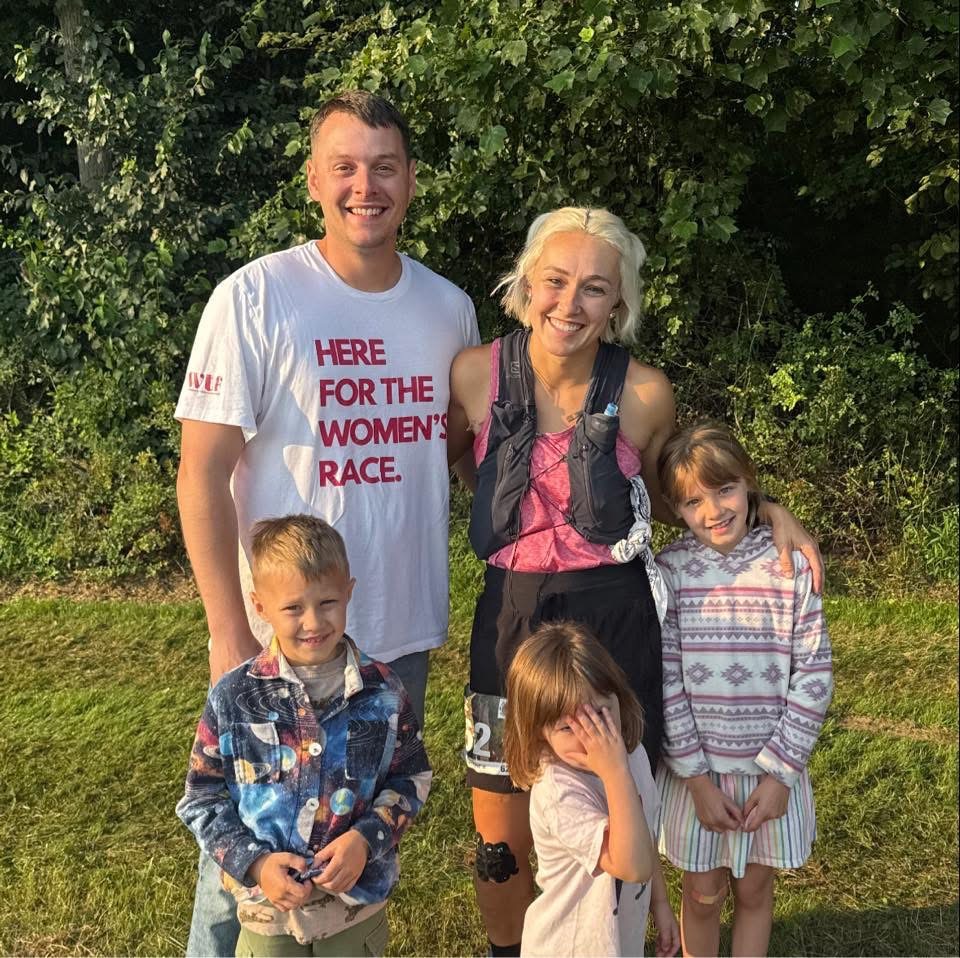
These days, ultrarunning is just part of who our family is. We’ve got three kids, and some of our best memories together have come from races: sitting at aid stations, hauling coolers, waiting to see Mary come out of the dark, and watching the kids run through the finish line with her.
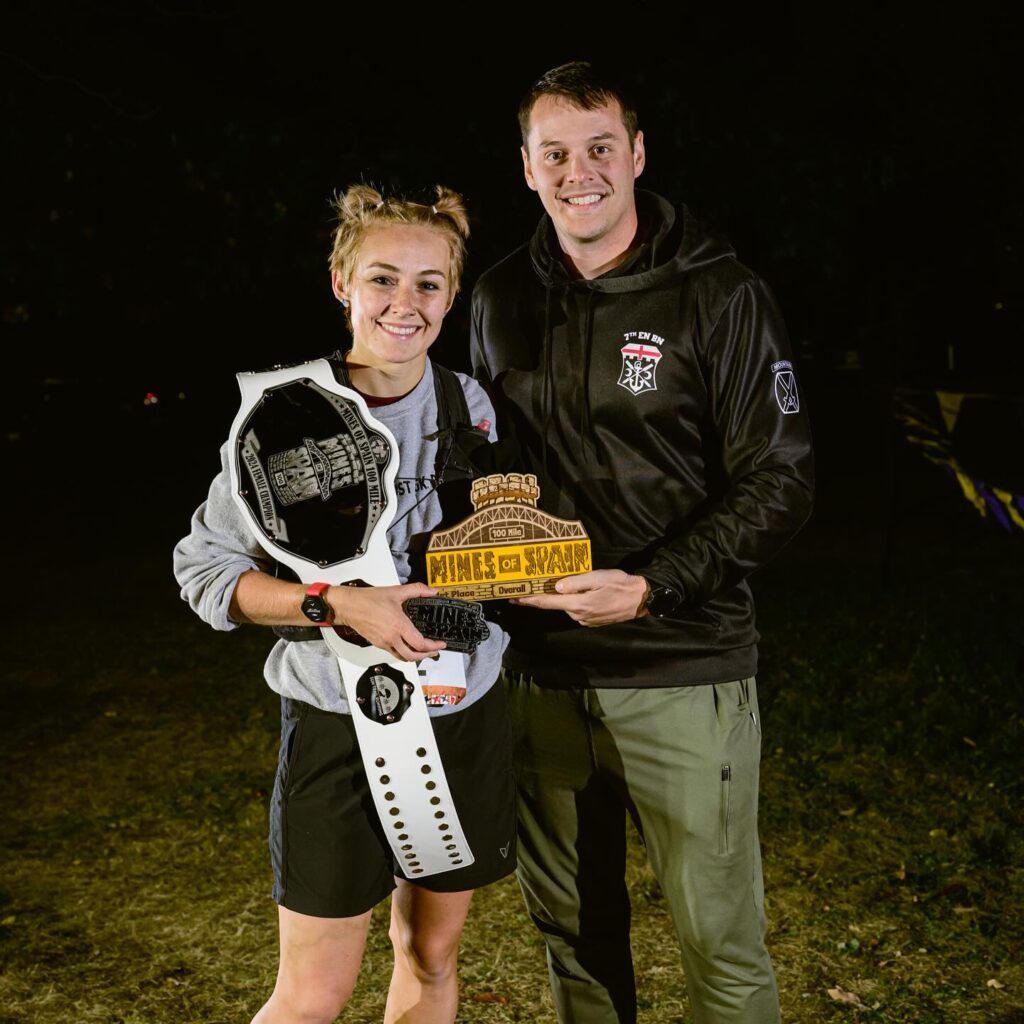
NODE is still in development. You can see how access will be priced on the pricing page, or put your name in for beta testing.